

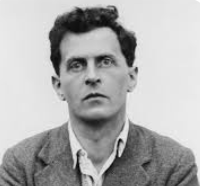
7 months 3 weeks ago
Philosophers often behave like little children who scribble some marks on a piece of paper at random and then ask the grown-up "What's that?" - It happened like this: the grown-up had drawn pictures for the child several times and said "this is a man," "this is a house," etc. And then the child makes some marks too and asks: what's this then?
▼
Source
source
p. 17e
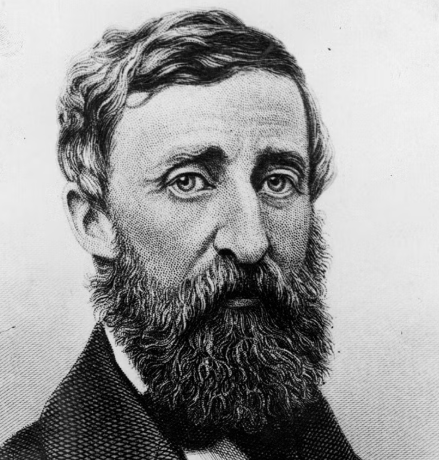
8 months 1 day ago
We are not that we are, nor do we treat or esteem each other for such, but for that we are capable of being.
▼
Source
source
Pearls of Thought (1881) p. 37
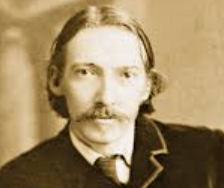
5 months 3 weeks ago
An appeal to his alarm is never a good plan to rid oneself of a spirited young man.
▼
Source
source
The Pavilion on the Links, ch. III.
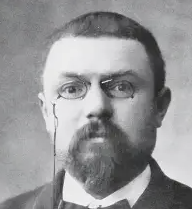
4 months 3 weeks ago
As we can not give a general definition of energy, the principle of the conservation of energy signifies simply that there is something which remains constant.

4 months 3 weeks ago
In the whole world, that day, there was not a more entirely unimportant-looking pair of people than this Miner and his Wife. And yet what were all Emperors, Popes and Potentates, in comparison? There was born here, once more, a Mighty Man; whose light was to flame as the beacon over long centuries and epochs of the world; the whole world and its history was waiting for this man. It is strange, it is great.
8 months 1 week ago
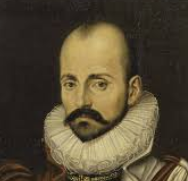
It should be noted that children at play are not playing about; their games should be seen as their most serious-minded activity. Variants: It should be noted that the games of children are not games, and must be considered as their most serious actions. For truly it is to be noted, that children's plays are not sports, and should be deemed as their most serious actions.
▼
Source
source
Book I, Ch. 23
4 months 2 weeks ago
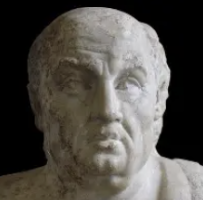
Unrighteous fortune seldom spares the highest worth; no one with safety can long front so frequent perils. Whom calamity oft passes by she finds at last.
▼
Source
source
lines 325-328; (Megara).
4 months 2 weeks ago
Things that were hard to bear are sweet to remember.
▼
Source
source
lines 656-657;

7 months 3 weeks ago
The perfect disciplinary apparatus would make it possible for a single haze to see everything constantly. A central point would be both the source of light illuminating everything, and a locus of convergence for everything that must be known: a perfect eye that nothing would escape and a centre towards which all gazes would be turned.
▼
Source
source
Part Three, The Means of Correct Training
6 months 1 week ago
The basic paradox about sex is that it always seems to be offering more than it can deliver. A glimpse of a girl undressing through a lighted bedroom window induces a vision of ecstatic delight, but in the actual process of persuading the girl into bed, the vision somehow evaporates.
▼
Source
source
p. 16
8 months 1 day ago
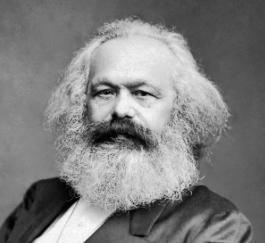
The labour-power is a commodity, not capital, in the hands of the labourer, and it constitutes for him a revenue so long as he can continuously repeat its sale; it functions as capital after its sale, in the hands of the capitalist, during the process of production itself.
▼
Source
source
Vol. II, Ch. XIX, p. 384.
8 months 1 week ago
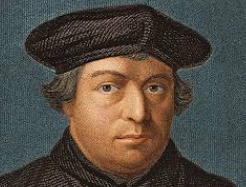
We refuse to have our conscience bound by any work or law, so that by doing this or that we should be righteous, or leaving this or that undone we should be damned.
▼
Source
source
Chapter 2
8 months 2 weeks ago
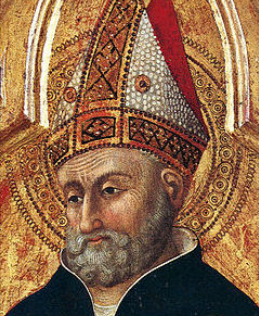
For if a thing is not diminished by being shared with others, it is not rightly owned if it is only owned and not shared.
▼
Source
source
1:1:1 English Latin Latin: Omnis enim res quae dando non deficit, dum habetur et non datur, nondum habetur quomodo habenda est.


8 months 4 days ago
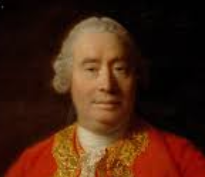
Nature has pointed out a mixed kind of life as most suitable to the human race, and secretly admonished them to allow none of these biases to draw too much, so as to incapacitate them for other occupations and entertainments. Indulge your passion for science, says she, but let your science be human, and such as may have a direct reference to action and society. Abstruse thought and profound researches I prohibit, and will severely punish, by the pensive melancholy which they introduce, by the endless uncertainty in which they involve you, and by the cold reception which your pretended discoveries shall meet with, when communicated. Be a philosopher; but, amidst all your philosophy, be still a man.
▼
Source
source
Section 1 : Of The Different Species of Philosophy
3 months 3 weeks ago
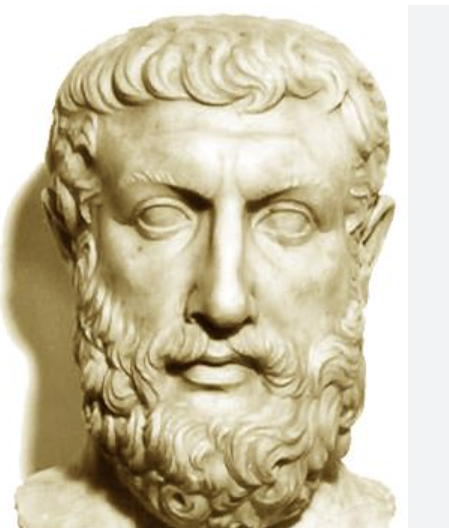
So then it is eternal and infinite and one and all alike.
8 months 1 week ago
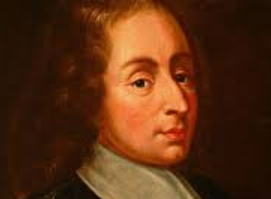
There are some men who expose themselves to damnation so foolishly by avarice, by brutality, by debauches, by violence, by excesses, by blasphemies! ...it is always a great folly for a man to expose himself to damnation... He must despise desire and its kingdom, and aspire to that kingdom of love in which all the subjects breathe nothing but love, and desire nothing but the benefits of love.
7 months 3 weeks ago
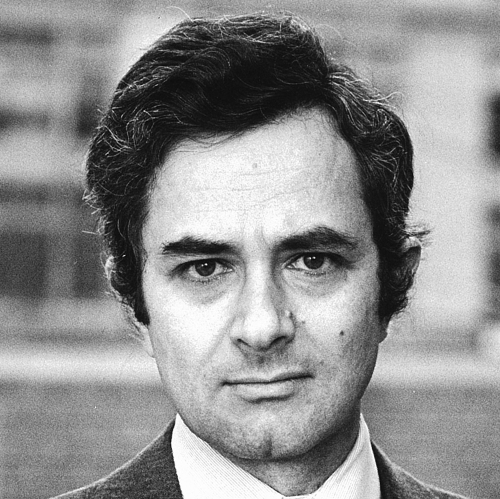
Ethics increases the range of what it is about ourselves that we can will-extending it from our actions to the motives and character traits and dispositions from which they arise. We want to be able to will the sources of our actions down to the very bottom.
▼
Source
source
p. 135.
8 months 2 days ago
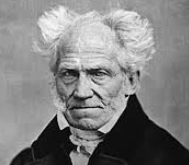
There is no more mistaken path to happiness than worldliness, revelry, high life.
▼
Source
source
Our Relation to Others, § 24
8 months ago
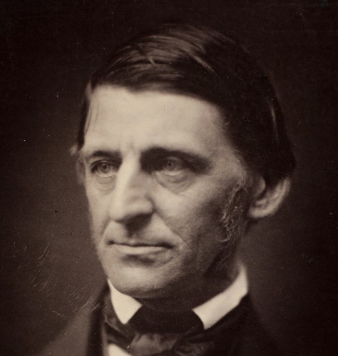
In actions of enthusiasm, this drawback appears: but in those lower activities, which have no higher aim than to make us more comfortable and more cowardly, in actions of cunning, actions that steal and lie, actions that divorce the speculative from the practical faculty, and put a ban on reason and sentiment, there is nothing else but drawback and negation.
▼
Source
source
Goethe; or, The Writer
7 months 4 weeks ago
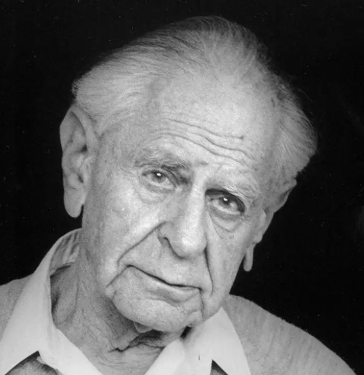
Why do I think that we, the intellectuals, are able to help? Simply because we, the intellectuals, have done the most terrible harm for thousands of years. Mass murder in the name of an idea, a doctrine, a theory, a religion - that is all our doing, our invention: the invention of the intellectuals. If only we would stop setting man against man - often with the best intentions - much would be gained. Nobody can say that it is impossible for us to stop doing this.
7 months 6 days ago
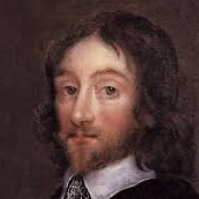
A Dialogue between two Infants in the womb concerning the state of this world, might handsomely illustrate our ignorance of the next, whereof methinks we yet discourse in Plato's Den, and are but Embryon Philosophers.
▼
Source
source
Chapter IV
5 months 1 week ago
The wise man should restrain his senses like the crane and accomplish his purpose with due knowledge of his place, time and ability.
7 months 3 weeks ago
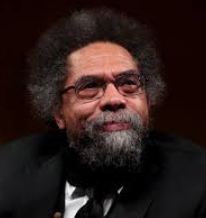
The paradox of race in America is that our common destiny is more pronounced and imperiled precisely when our divisions are deeper.
▼
Source
source
(p4)
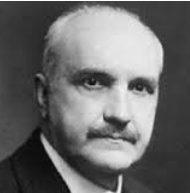
6 months 3 weeks ago
Skepticism, like chastity, should not be relinquished too readily.
▼
Source
source
George Santayana, as quoted in Quotations for Our Time (1977) edited by Laurence J. Peter
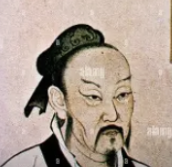
4 months 3 weeks ago
A real man is he whose goodness is a part of himself.
▼
Source
source
"Discipline and Character", no. 45
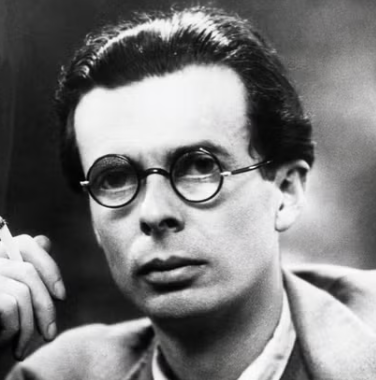
8 months ago
It is only by poets that the life of any epoch can be synthesized. Encyclopaedias and guides to knowledge cannot do it, for the good reason that they affect only the intellectual surface of a man's life. The lower layers, the core of his being, they leave untouched.
▼
Source
source
p. 4
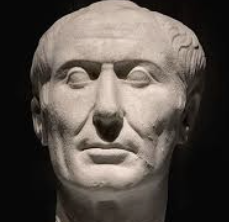
5 months 4 weeks ago
While we stop to think, we often miss our opportunity.
▼
Source
source
Maxim 185
8 months 4 weeks ago
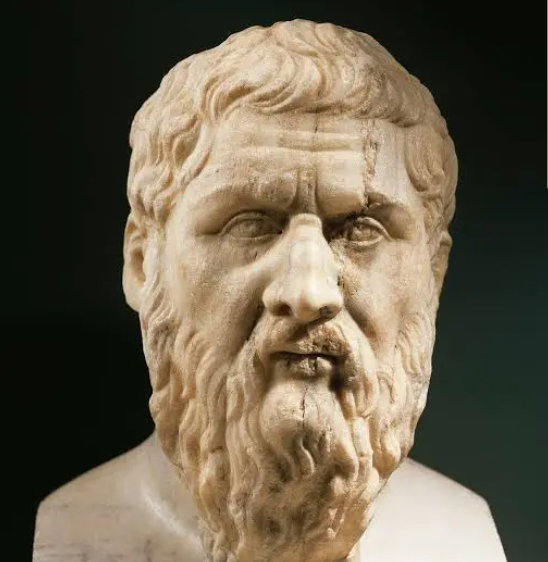
It is difficult to set forth any of the greater ideas, except by the use of examples; for it would seem that each of us knows everything that he knows as if in a dream and then again, when he is as it were awake, knows nothing of it all.
8 months 3 weeks ago
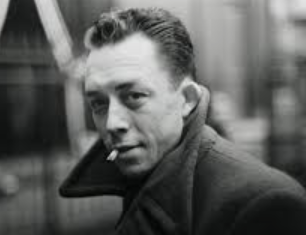
Martyrs must choose between being forgotten, mocked, or made use of. As for being understood, never!
8 months 2 weeks ago
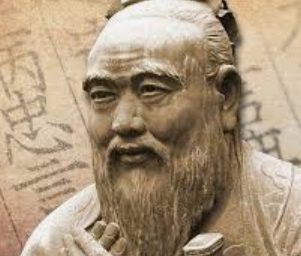
They hate not to make use of their abilities... they do not necessarily work for their own self-interest.
6 months ago
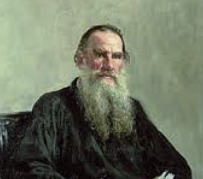
The positivist philosophy of Comte and the I doctrine deduced from it that humanity is an organism, and Darwin's doctrine of a law of the struggle for existence that is supposed to govern life, with the differentiation of various breeds of people which follows from it, and the anthropology, biology, and sociology of which people are now so fond-all have the same aim. These have all become favourite sciences because they serve to justify the way in which people free themselves from the human obligation to labour, while consuming the fruits of other people's labour.
4 months 1 week ago
I feel awe of the gods, I love, I revere, I venerate them, and in short have precisely the same feelings towards them as one would have towards kind masters or teachers or fathers or guardians or any beings of that sort.
▼
Source
source
Oration to the Cynic Heracleios

7 months 4 weeks ago
I think He made one law of that kind in order that there might be obedience. In all these other matters what you call obeying Him is but doing what seems good in your eyes also. Is love content with that? You do them, indeed, because they are His will, but not only because they are his will. Where can you taste the joy of obeying unless he bids you do something for which His bidding is the only reason?
5 months 1 week ago
To be sure, risks abound; but no one is proposing compassionate stewardship of ecosystems by philosophers. Humans are capable of choosing our own future pain-sensitivity too; but any species-wide genomic shift in human pain tolerance will depend on the willingness of prospective parents to use preimplantation genetic screening.
▼
Source
source
Compassionate Biology: How CRISPR-based gene drives" could cheaply, rapidly and sustainably reduce suffering throughout the living world", BLTC Research, 2016
3 months 4 weeks ago
Every nation gets the government it deserves.
▼
Source
source
Original text:Toute nation a le gouvernement qu'elle mérite. Letter 76, on the topic of Russia's new constitutional laws (27 August 1811); published in Lettres et Opuscules.
6 months 1 week ago
Just as the performance of the vilest and most wicked deeds requires spirit and talent, so even the greatest demand a certain insensitivity which under other circumstances we would call stupidity.
▼
Source
source
F 87
6 months ago
The savage recognizes life only in himself and his personal desires. His interest in life is concentrated on himself alone. The highest happiness for him is the fullest satisfaction of his desires. The motive power of his life is personal enjoyment. His religion consists in propitiating his deity and in worshiping his gods, whom he imagines as persons living only for their personal aims.
▼
Source
source
Chapter IV, Christianity Misunderstood by Men of ScienceChapter IV, Christianity Misunderstood by Men of Science
5 months 2 weeks ago
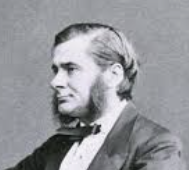
I am too much of a sceptic to deny the possibility of anything - especially as I am now so much occupied with theology - but I don't see my way to your conclusion.
▼
Source
source
Letter to Herbert Spencer (22 March 1886); this is often quoted with a variant spelling as: I am too much of a skeptic to deny the possibility of anything.
7 months 2 weeks ago
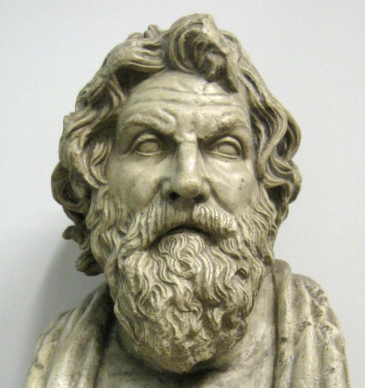
Being asked what learning is the most necessary, he replied, "How to get rid of having anything to unlearn.
▼
Source
source
" § 7
8 months ago
There are many things of which a wise man might wish to be ignorant.
▼
Source
source
Demonology
6 months 3 weeks ago
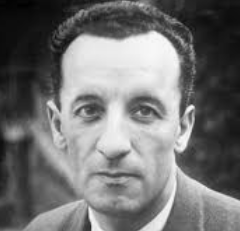
Lichtenberg ... held something of the following kind: one should neither affirm the existence of God nor deny it. ... It is not that he wished to leave certain perspectives open, nor to please everyone. It is rather that he was identifying himself, for his part, with a consciousness of self, of the world, and of others that was "strange" (the word is his) in a sense which is equally well destroyed by the rival explanations.
▼
Source
source
pp. 45-46

6 months 3 weeks ago
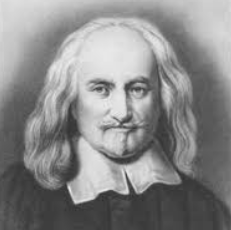
Give an inch, he'll take an ell.
▼
Source
source
Liberty and Necessity (no. 111)
6 months 3 weeks ago
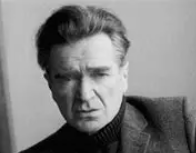
No one commits suicide for external reasons, only because of inner disequilibrium. Under similar adverse circumstances, some are indifferent, some are moved, some are driven to suicide.
8 months 2 weeks ago
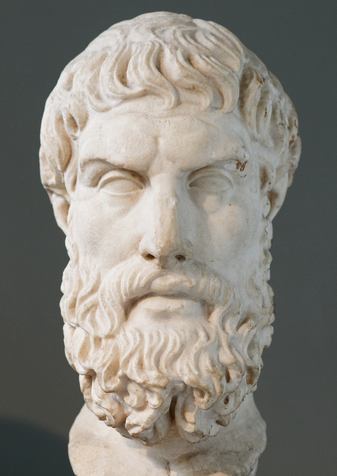
Against the diseases of the mind, philosophy provides sufficient antidotes. The instruments which it employs for this purpose are the virtues; the root of which, whence all the rest proceed, is prudence. This virtue comprehends the whole art of living discreetly, justly, and honorably, and is, in fact, the same thing with wisdom. It instructs men to free their understandings from the clouds of prejudice; to exercise temperance and fortitude in the government of themselves: and to practice justice towards others. Although pleasure, or happiness, which is the end of living, be superior to virtue, which is only the means, it is every one's interest to practice all the virtues; for in a happy life, pleasure can never be separated from virtue.
7 months 2 weeks ago
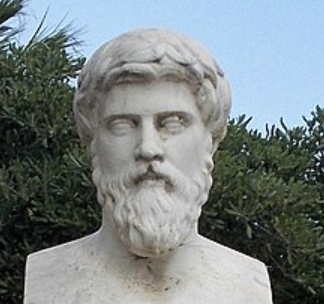
After he routed Pharnaces Ponticus at the first assault, he wrote thus to his friends: "I came, I saw, I conquered."
▼
Source
source
Cæsar
3 months 4 weeks ago
The poet takes us straight into the presence of things. Not by explanation, but by indication; not by exhausting its qualities, but by suggesting its value he gives us the object, raising it from the mire where it lies trodden by the concepts of the understanding, freeing it from the entanglements of all that "the intellect perceives as if constituting its essence." Thus exhibited, the object itself becomes the meeting-ground of the ages, a centre where millions of minds can enter together into possession of the common secret. It is true that language is here the instrument with which the fetters of language are broken. Words are the shifting detritus of the ages; and as glass is made out of the sand, so the poet makes windows for the soul out of the very substance by which it has been blinded and oppressed. In all great poetry there is a kind of "kenosis" of the understanding, a self-emptying of the tongue. Here language points away from itself to something greater than itself.
8 months 1 week ago
Tis a good word and a profitable desire, but withal absurd; for to make the handle bigger than the hand, the cubic longer than the arm, and to hope to stride further than our legs can reach, is both impossible and monstrous; or that man should rise above himself and humanity; for he cannot see but with his eyes, nor seize but with his hold. He shall be exalted, if God will lend him an extraordinary hand; he shall exalt himself, by abandoning and renouncing his own proper means, and by suffering himself to be raised and elevated by means purely celestial. It belongs to our Christian faith, and not to the stoical virtue, to pretend to that divine and miraculous metamorphosis.
▼
Source
source
Ch. 12
5 months 4 weeks ago
At no period of human culture have men understood the psychic mechanism involved in invention and technology.
▼
Source
source
(p. 300)
CivilSimian.com created by AxiomaticPanic, CivilSimian, Kalokagathia