
1 week 2 days ago
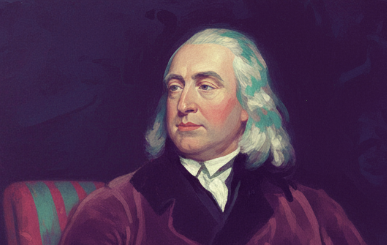
The Reformers had been in the unhappy position of not having brains enough for their programme. Bentham supplied them. He classified and (inevitably) systematized the vapourings of Burdett and the nebulous projects of Cartwright. Bentham took the Burdettite catchwords of the day and gave them meaning: he redeemed the cause of democracy by providing it with a basis of reasoned theory. The sole clue to political conduct, he held, was Interest. What wonder, then, if Whigs and Tories were indistinguishable, since their interests were identical? The country was being governed by a minority for the partial interests of a minority: was not that the very definition of corruption? Corruption...was a system, it was a political theory, it was the whole government of England. Aristocracy as a form of government was itself an intolerable grievance... He based his democracy not on political considerations, but on the fundamental tag of the "greatest happiness of the greatest number". He gave Reform an irresistible catchword: he opened up a new and impugnable line of argument... Bentham gave the Reform movement a much-needed intellectual fillip. Through Mill, in the Edinburgh Review, he reached the genteel establishments: through Place, he stiffened the people.
▼
Source
source
Michael Roberts, The Whig Party, 1807–1812 (1939), pp. 261-263, 265
CivilSimian.com created by AxiomaticPanic, CivilSimian, Kalokagathia