Rates of change moving past each other give the stability we see in repeatability.


I cannot recall a time when American education was not in a "crisis." We have lived through Sputnik (when we were "falling behind the Russians"), through the era of "Johnny can't read," and through the upheavals of the Sixties. Now a good many books are telling us that the university is going to hell in several different directions at once. I believe that, at least in part, the crisis rhetoric has a structural explanation: since we do not have a national consensus on what success in higher education would consist of, no matter what happens, some sizable part of the population is going to regard the situation as a disaster. As with taxation and relations between the sexes, higher education is essentially and continuously contested territory. Given the history of that crisis rhetoric, one's natural response to the current cries of desperation might reasonably be one of boredom.

The evidence of our own eyes makes it more plausible to believe that the world was not created by any god at all. If, however, we insist on believing in divine creation, we are forced to admit that the god who made the world cannot be all-powerful and all good. He must be either evil or a bungler.
The comprehension of God taken as a participation in his sacred life, an allegedly direct comprehension, is impossible, because participation is a denial of the divine, and because nothing is more direct than the face to face, which is straightforwardness itself.
You believe that I run after the strange because I do not know the beautiful; no, it is because you do not know the beautiful that I seek the strange.
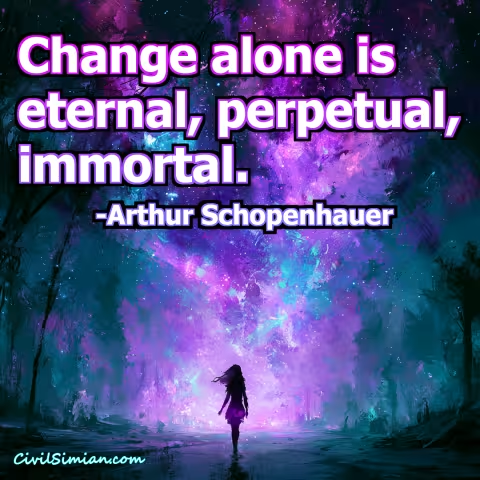
I cannot escape the objection that there is no state of mind, however simple, that does not change every moment.
He who receives a benefit with gratitude, repays the first installment of it.
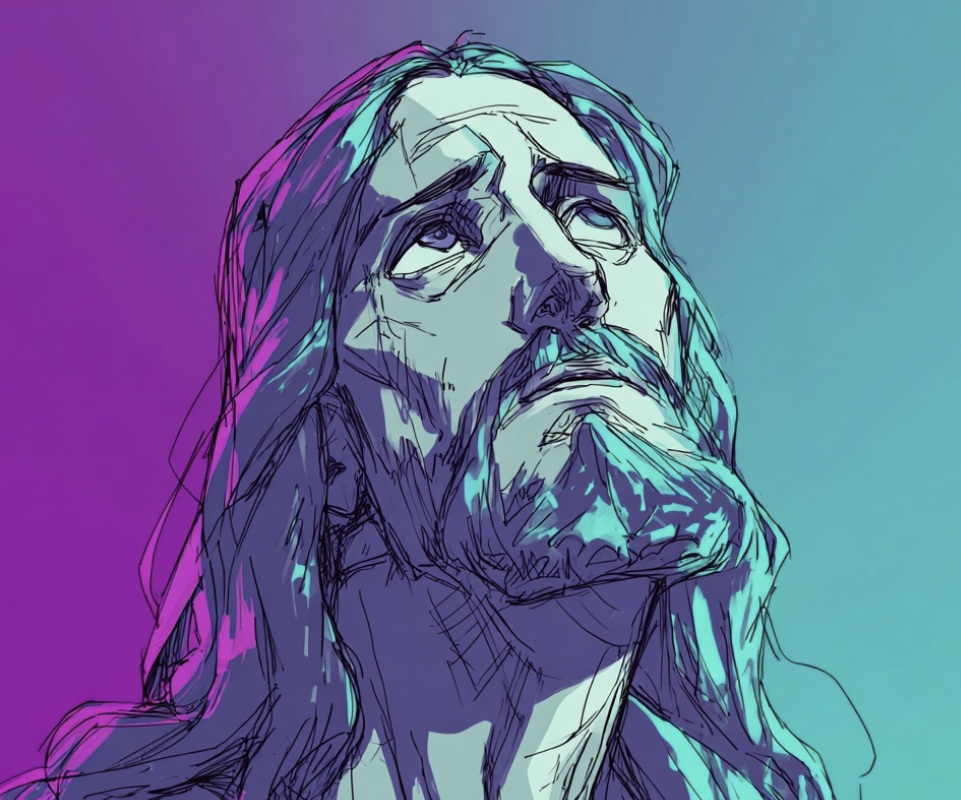
Are ye come out as against a thief with swords and staves for to take me? I sat daily with you teaching in the temple, and ye laid no hold on me. But all this was done, that the scriptures of the prophets might be fulfilled.

Power is the near neighbour of necessity.
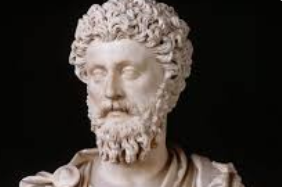
Be not unwilling in what thou doest, neither selfish nor unadvised nor obstinate; let not over-refinement deck out thy thought; be not wordy nor a busybody.
It is the quality of a great soul to scorn great things and to prefer that which is ordinary rather than that which is too great.
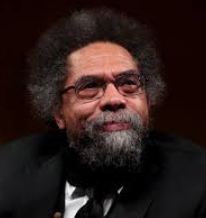
Humility is the fruit of inner security and wise maturity. To be humble is to be so sure of one's self and one's mission that one can forego calling excessive attention to one's self and status. And, even more pointedly, to be humble is to revel in the accomplishments or potentials of others -- especially those with whom one identifies and to whom one is linked organically.
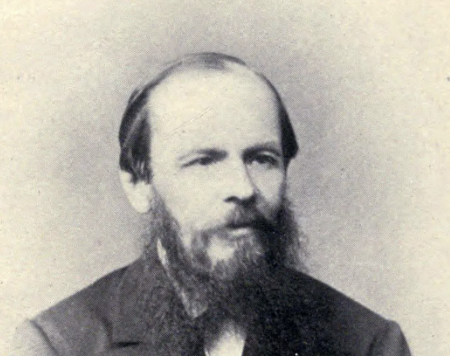
Is it really not possible to touch the gaming table without being instantly infected by superstition?
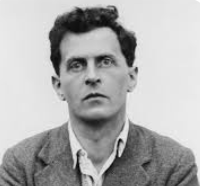
What cannot be imagined cannot even be talked about.
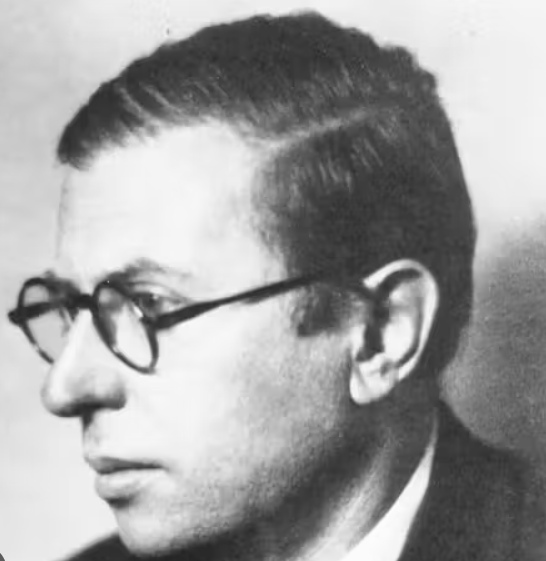
I know nothing, I am neither woman nor girl; I have been living in a dream and when someone kissed me, it made me want to laugh. Now I am here before you, it seems as though I have just awakened and it is morning.
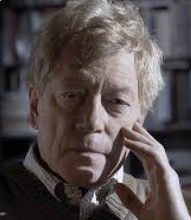
Never in the history of the world have there been so many migrants. And almost all of them are migrating from regions where nationality is weak or non-existent to the established nation states of the West. They are not migrating because they have discovered some previously dormant feeling of love or loyalty towards the nations in whose territory they seek a home. On the contrary, few of them identify their loyalties in national terms and almost none of them in terms of the nation where they settle. They are migrating in search of citizenship which is the principal gift of national jurisdictions, and the origin of the peace, law, stability and prosperity that still prevail in the West.
One of the most difficult tasks men can perform, however much others may despise it, is the invention of good games and it cannot be done by men out of touch with their instinctive selves.
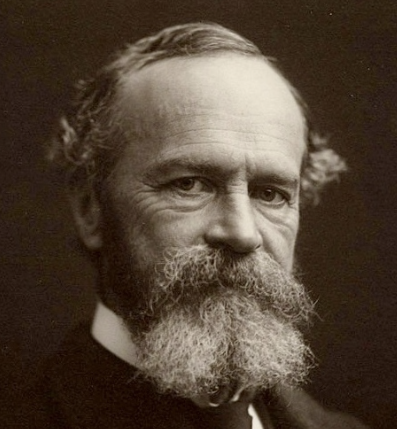
Need and struggle are what excite and inspire us; our hour of triumph is what brings the void. Not the Jews of the captivity, but those of the days of Solomon's glory are those from whom the pessimistic utterances in our Bible come.
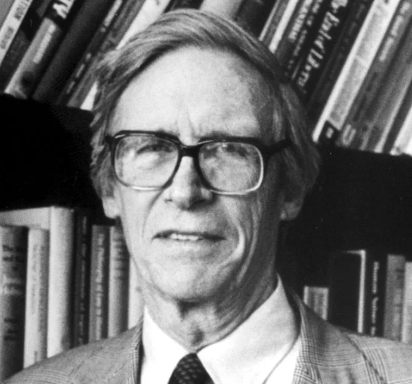
We must not be enticed by mathematically attractive assumptions into pretending that the contingencies of men's social positions and the asymmetries of their situations somehow even out in the end. Rather we must choose our conception of justice fully recognizing that this is not and cannot be the case.
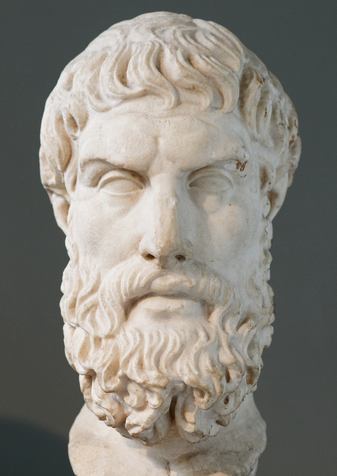
It is impossible for someone to dispel his fears about the most important matters if he doesn't know the nature of the universe but still gives some credence to myths. So without the study of nature there is no enjoyment of pure pleasure.

Now the real fruits of human nature - the arts, sciences, great enterprises, lofty conceptions, manly virtues - are due especially to the state of war. In a word, we can say that blood is the manure of the plant we call genius.

Sure enough, America is a great, and in many respects a blessed and hopeful phenomenon. Sure enough, these hardy millions of Anglo-Saxon men prove themselves worthy of their genealogy; and, with the axe and plough and hammer, if not yet with any much finer kind of implements, are triumphantly clearing out wide spaces, seedfields for the sustenance and refuge of mankind, arenas for the future history of the world; doing, in their day and generation, a creditable and cheering feat under the sun. But as to a Model Republic, or a model anything, the wise among themselves know too well that there is nothing to be said.
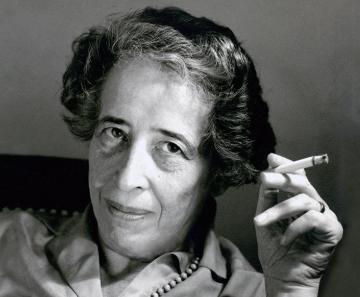
Political questions are far too serious to be left to the politicians.
There was a loud echo of Hume in Mach's work, as both emphasized the tangibility of all knowledge-ultimately, all knowledge is based in the senses. Mach also emphasized the internal nature of all knowledge, in that it is experienced in the mind. Finally, he emphasized the importance of quantitative and mathematical methods and models to understand sensory experience.
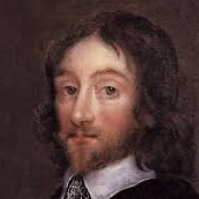
The severe Schools shall never laugh me out of the Philosophy of Hermes, that this visible world is but a picture of the invisible.
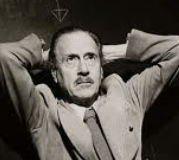
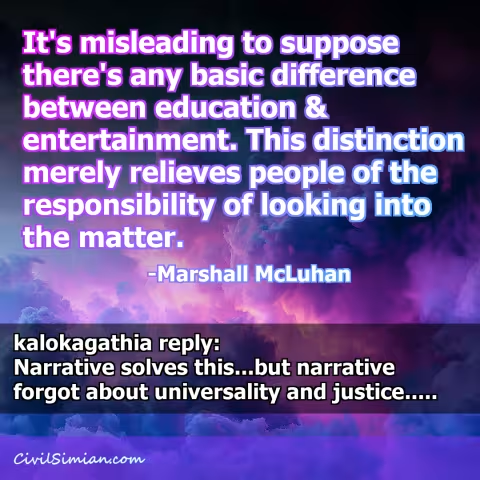
The metropolis today is a classroom; the ads are its teachers. The traditional classroom is an obsolete detention home, a feudal dungeon.

Liberalism has been very severely threatened in recent years. It's been threatened from a number of sources. So internationally you have two great powers, Russia and China, that are definitely not liberal polities, that have expansive ambitions... As Vladimir Putin said... in an iterview with the FT in 2019 "Liberalism is an obsolete doctrine." But the threat... also comes from other places. ...You have the rise of a populist nationalist right in many countries. This is Viktor Orbán in Hungary. This is Narendra Modi in India, Donald Trump in the United States, ...Marine Le Pen in France. All of them criticizing liberalism precisely for the tolerance that it permits and tries to deal with, in diverse and increasingly ethnically and racially diverse countries.

A democratic government is the only one in which those who vote for a tax can escape the obligation to pay it.
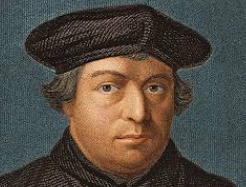
I approached the task of destroying images by first tearing them out of the heart through God's Word and making them worthless and despised. This indeed took place before Dr. Karlstadt ever dreamed of destroying images. For when they are no longer in the heart, they can do no harm when seen with the eyes. But Dr. Karlstadt, who pays no attention to matters of the heart, has reversed the order by removing them from sight and leaving them in the heart. For he does not preach faith, nor can he preach it; unfortunately, only now do I see that. Which of these two forms of destroying images is best, I will let each man judge for himself.
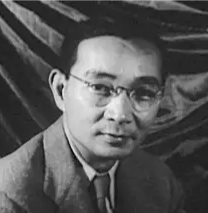
True peace of mind comes from accepting the worst.
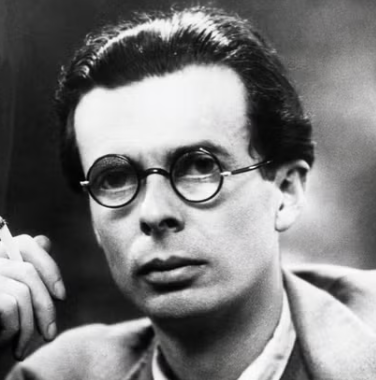
Children are nowhere taught, in any systematic way, to distinguish true from false, or meaningful from meaningless, statements. Why is this so? Because their elders, even in the democratic countries, do not want them to be given this kind of education.
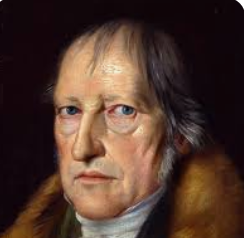
It strikes everyone in beginning to form an acquaintance with the treasures of Indian literature, that a land so rich in intellectual products and those of the profoundest order of thought..."
Everybody needs his memories. They keep the wolf of insignificance from the door.
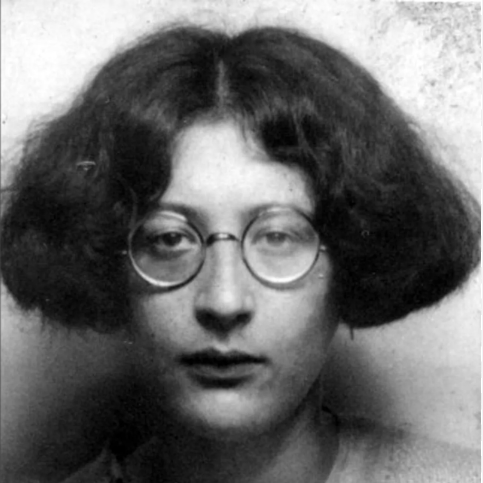
The necessity for power is obvious, because life cannot be lived without order; but the allocation of power is arbitrary because all men are alike, or very nearly. Yet power must not seem to be arbitrarily allocated, because it will not then be recognized as power. Therefore prestige, which is illusion, is of the very essence of power.

We make choices, decisions, as long as we keep to the surface of things; once we reach the depths, we can neither choose nor decide, we can do nothing but regret the surface...
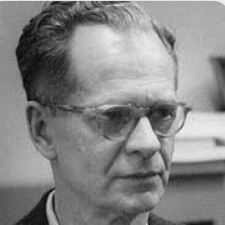
Let men be happy, informed, skillful, well behaved, and productive.
Of the life of man the duration is but a point.
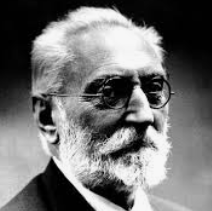
Once the needs of hunger are satisfied - and they are soon satisfied - the vanity, the necessity - for it is a necessity - arises of imposing ourselves upon and surviving in others. Man habitually sacrifices his life to his purse, but he sacrifices his purse to his vanity. He boasts even of his weakness and his misfortunes, for want of anything better to boast of, and is like a child who, in order to attract attention, struts about with a bandaged finger.
No one has the right to obey.
Think not so much of what thou hast not as of what thou hast: but of the things which thou hast, select the best, and then reflect how eagerly they would have been sought, if thou hadst them not. At the same time, however, take care that thou dost not, through being so pleased with them, accustom thyself to overvalue them, so as to be disturbed if ever thou shouldst not have them.
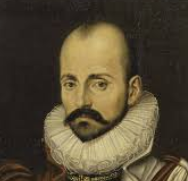
As to fidelity, there is no animal in the world so treacherous as man. Our histories have recorded the violent pursuits that dogs have made after the murderers of their masters.

It is error only, and not truth, that shrinks from inquiry.
As soon as laws are necessary for men, they are no longer fit for freedom.
To be in love is not the same as loving. You can be in love with a woman and still hate her.
I am for the most part so convinced that everything is lacking in basis, consequence, justification, that if someone dared to contradict me, even the man I most admire, he would seem to me a charlatan or a fool.
Human beings can lose their lives in libraries. They ought to be warned.
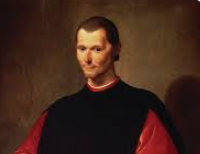
In the land of the blind the one-eyed man is lord.
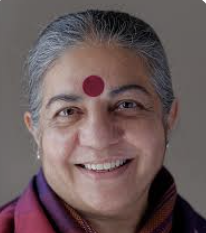
There is a strong affinity between the forces of empire and a politics of hate that justifies policies of domination and exclusion. So long as people's attention is focused on fear and hatred of foreigners or members of a particular religious group, such as Muslims, they are distracted from organizing to deal with the system of institutional domination and exploitation that is the real source of their insecurity.
CivilSimian.com created by AxiomaticPanic, CivilSimian, Kalokagathia