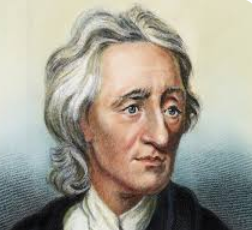
Let me give two cautions. 1) The one is, that you keep them to the practice of what you would have grow into a habit with them, by kind words, and gentle admonitions, rather as minding them of what they forget, than by harsh rebukes and chiding, as if they were wilfully guilty. 2) Another thing you are to take care of, is, not to endeavour to settle too many habits at once, lest by variety you confound them, and so perfect none. When constant custom has made any one thing easy and natural to 'em, and they practice it without reflection, you may then go on to another.
Good and evil, reward and punishment, are the only motives to a rational creature: these are the spur and reins whereby all mankind are set on work, and guided.
Thus parents, by humouring and cockering them when little, corrupt the principles of nature in their children, and wonder afterwards to taste the bitter waters, when they themselves have poison'd the fountain.
Whensoever therefore the legislative shall transgress this fundamental rule of society; and either by ambition, fear, folly or corruption, endeavour to grasp themselves, or put into the hands of any other, an absolute power over the lives, liberties, and estates of the people; by this breach of trust they forfeit the power the people had put into their hands for quite contrary ends, and it devolves to the people, who have a right to resume their original liberty, and, by the establishment of a new legislative, (such as they shall think fit) provide for their own safety and security, which is the end for which they are in society.
0
⚖0
▼Source
source
Second Treatise of Civil Government, Ch. XIX, sec. 222
To this I answer: That force is to be opposed to nothing, but to unjust and unlawful force. Whoever makes any opposition in any other case, draws on himself a just condemnation, both from God and man...
0
⚖0
▼Source
source
Second Treatise of Government, Ch. XVIII, sec. 204
As usurpation is the exercise of power which another has a right to, so tyranny is the exercise of power beyond right, which nobody can have a right to...
0
⚖0
▼Source
source
Second Treatise of Government, Ch. XVIII, sec. 199
And because it may be too great a temptation to human frailty, apt to grasp at power, for the same persons, who have the power of making laws, to have also in their hands the power to execute them, whereby they may exempt themselves from obedience to the laws they make, and suit the law, both in its making, and execution, to their own private advantage...
0
⚖0
▼Source
source
Second Treatise of Civil Government, Ch. XII, sec. 143
If man in the state of nature be so free, as has been said; if he be absolute lord of his own person and possessions, equal to the greatest, and subject to no body, why will he part with his freedom, this empire, and subject himself to the dominion and control of any other power?